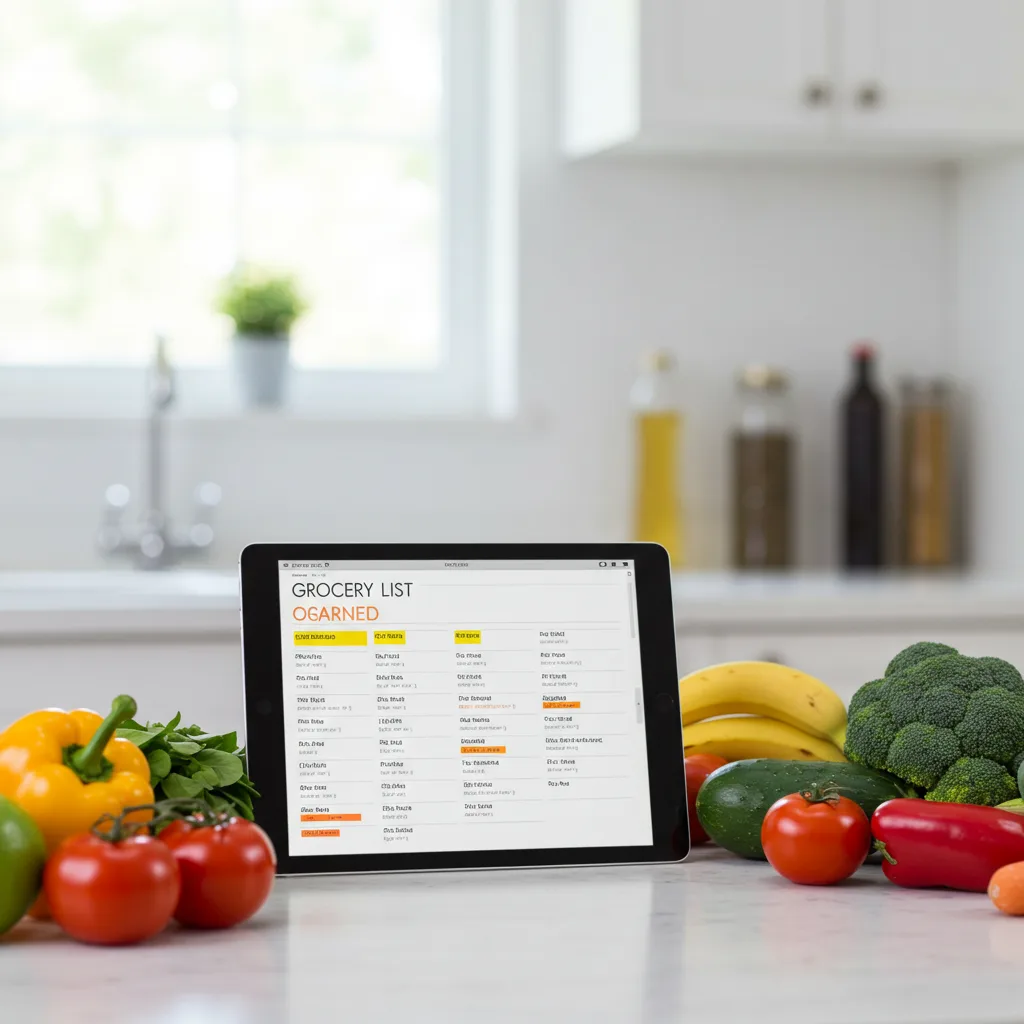
Simplify Grocery Shopping for Elderly Loved Ones
Caring for an aging loved one often involves managing their daily needs, and a significant part of that is ensuring they have nutritious food. Grocery shopping, especially for individuals with specific dietary requirements or limited mobility, can quickly become a time-consuming and stressful chore. From remembering ingredients for specialized meals to coordinating who picks up what, it’s easy for things to fall through the cracks.
The Challenge of Elder Grocery Management
Many family caregivers find themselves juggling multiple responsibilities, and grocery shopping for a senior adds another layer of complexity. Common hurdles include:
- Dietary Restrictions: Keeping track of allergies, health conditions (like diabetes or heart disease), and doctor-recommended food plans.
- Memory Issues: Seniors may forget what they need or purchase duplicates.
- Mobility Limitations: Difficulty traveling to the store or carrying heavy bags.
- Coordination: Ensuring different family members or caregivers aren't duplicating efforts or missing essential items.
- Budgeting: Sticking to a grocery budget while meeting specific nutritional needs.
These challenges can lead to missed meals, unhealthy food choices, or unnecessary stress for everyone involved.
Collaborative Meal Planning and Shopping Lists
One of the most effective ways to tackle these issues is through collaborative planning. When everyone involved in caregiving can contribute to and access a shared grocery list, the process becomes much smoother. This ensures that:
- All Needs are Captured: Family members can add items as they notice them running low or as new dietary needs arise.
- Duplication is Minimized: Everyone sees what's already on the list, preventing multiple people from buying the same thing.
- Special Diets are Accommodated: Specific ingredients for health-focused recipes can be clearly noted.
This shared approach turns a potentially chaotic task into a coordinated effort.
Pro Tip: Regularly review the shared list with your loved one (if possible) or their primary caregiver to ensure it accurately reflects their current needs and preferences.
Streamlining the Process for Efficiency
Beyond just creating a list, consider how the actual shopping and delivery can be managed. Many services now offer online ordering and home delivery, which can be a game-changer for families of seniors.
- Online Ordering: Browse aisles virtually, easily add items to a digital cart, and apply coupons.
- Delivery Options: Schedule deliveries at convenient times, reducing the need for someone to physically go to the store.
- Budget Tracking: Many online platforms provide a running total, helping you stay within your budget.
Combining collaborative list-making with these modern delivery services can save significant time and energy.
Action Steps for Better Grocery Management:
- Identify Key Shoppers: Determine who will be responsible for grocery shopping or managing online orders.
- Establish a Centralized List: Choose a method (app, shared document) for creating and updating the grocery list.
- Incorporate Dietary Notes: Add specific details for any health-related food items.
- Explore Delivery Services: Research grocery delivery options available in your area.
- Schedule Regular Check-ins: Set aside time each week to review the list and plan upcoming meals and shopping trips.
Key Takeaway: Proactive planning and leveraging technology are crucial for making elder grocery management manageable and effective.
The QuestCare Approach
QuestCare Connect understands the multifaceted nature of family caregiving. That's why our Grocery Delivery & Collaborative Meal Planning feature is designed to eliminate the stress associated with feeding your loved ones. It allows you to create shared shopping lists, coordinate meal preparation, and even integrate with grocery delivery services. This feature ensures that dietary plans are adhered to, everyone is on the same page, and essential groceries are always on hand, freeing up valuable time and reducing a significant point of caregiver stress.
Medical Disclaimer: The content provided in this article is for informational and care coordination purposes only and does not constitute formal medical advice, diagnosis, or treatment. Always consult qualified physicians or healthcare professionals regarding specific medical conditions or medication regimens.
Copyright & Editorial Rights: © 2026 QuestCare Connect™. All rights reserved. Original proprietary editorial reviews, evaluation criteria, and comparative analyses are protected under U.S. and international copyright laws and the DMCA.
Third-Party Trademark Disclaimer & Nominative Fair Use: All third-party product names, company names, logos, registered trademarks (®), and unregistered trademarks (™) referenced herein (including CaringBridge, Lotsa Helping Hands, Medisafe, CareZone, ianacare, Carely, Snug Safety, PainScale, and First Call Care) are the property of their respective trademark holders. Reference to these entities is made strictly for identification, informational, and comparative review purposes under the Nominative Fair Use doctrine (15 U.S.C. § 1125). Use of these names does not imply any affiliation with, endorsement by, sponsorship of, or commercial association with QuestCare Connect.
Continue Exploring



Explore Care Solutions & Regional Hubs
QuestCare Connect bridges clinical insights, family care circles, and professional caregivers across North America.
Ontario Care Hub
PHIPA-compliant family coordination connecting Health811, Ontario Health atHome, and PSWs.
Ontario Labs & Diagnostics
LifeLabs, Dynacare, and Clear Imaging AI reports and doctor question checklists.
Agency Care & Direct PSWs
Coordinate Home Instead & Bayshore shifts or hire independent caregivers directly.
Caregiver & Aide Careers
Browse open caregiver shifts, find vetted home health aides, or post openings.