Quick Overview
Family caregiving often involves juggling numerous responsibilities, and ensuring proper nutrition for elderly loved ones is paramount. However, coordinating grocery shopping and meal preparation can become a significant source of stress, especially when multiple family members are involved. This post explores how to streamline this essential aspect of care.
The Challenge of Eldercare Meal Planning
Providing consistent, healthy meals for aging parents or relatives is a core part of caregiving. This task isn't just about cooking; it involves planning menus that meet specific dietary needs, creating shopping lists, purchasing groceries, and preparing the meals themselves. When done solo, it's time-consuming. When multiple family members are involved, it can become chaotic.
Think about the common pitfalls:
- Duplicate Purchases: Two family members buying the same items, leading to waste.
- Forgotten Items: Crucial ingredients being missed, derailing meal plans.
- Dietary Misunderstandings: Inconsistent adherence to special dietary requirements.
- Unclear Responsibilities: Confusion over who is buying what or preparing which meal.
- Time Constraints: Difficulty fitting shopping and meal prep into busy schedules.
These challenges can lead to frustration, missed meals, and added burden on already stretched caregivers.
Syncing Up for Success: Collaborative Meal Planning
Effective meal coordination requires clear communication and shared access to information. The goal is to create a system where everyone involved knows what's needed and what's been done. This shifts the burden from individual effort to a collaborative family project.
Imagine a scenario where:
- A shared grocery list is always up-to-date, accessible by everyone.
- Meal plans are visible to all family members, ensuring everyone is on the same page.
- Tasks like shopping or specific meal preparations can be assigned or acknowledged.
This level of coordination ensures that dietary needs are met consistently and reduces the mental load on any single caregiver.
Making Meal Prep Easy with Shared Shopping Lists
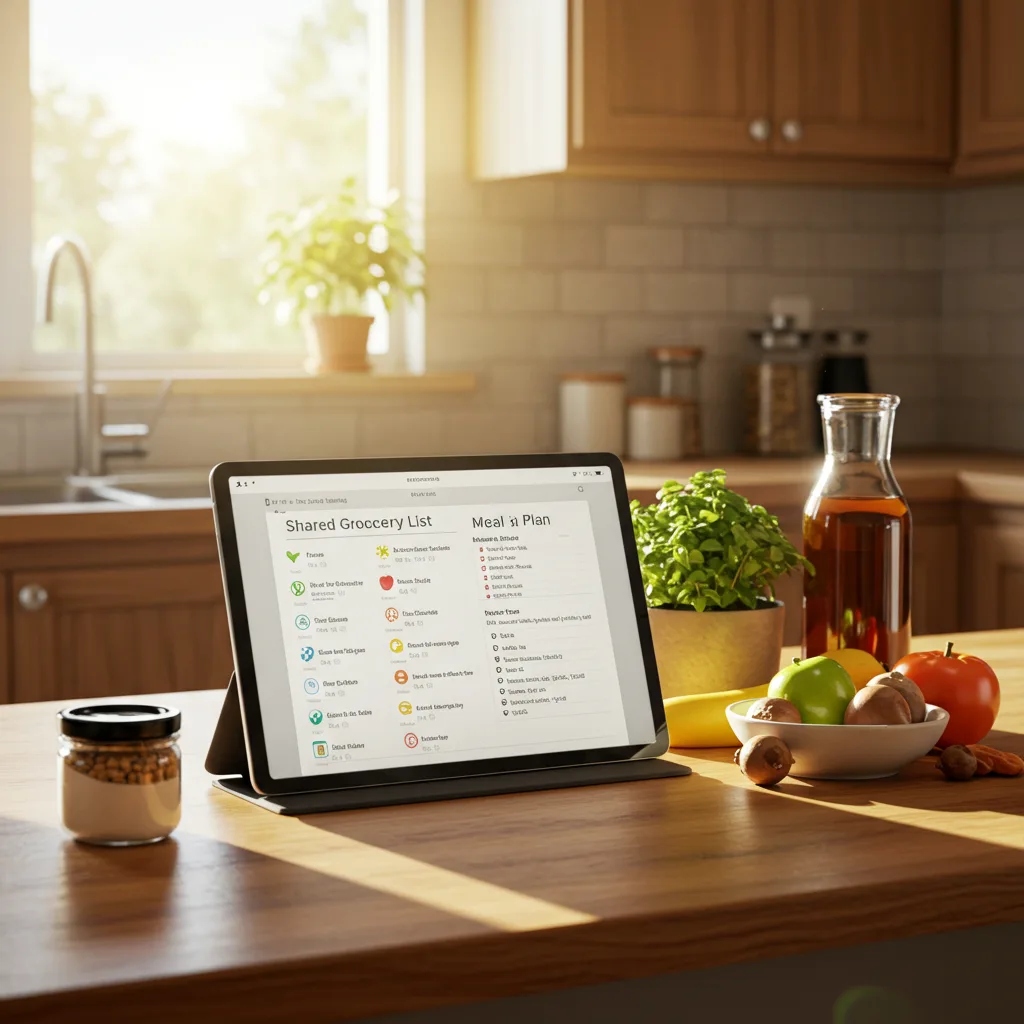
One of the most practical steps in coordinating meals is simplifying the grocery shopping process. Instead of relying on scattered notes or text messages, a centralized, dynamic shopping list is invaluable.
- Real-time Updates: As items are added or checked off, everyone sees the latest version.
- Dietary Notes: Add specific brand preferences or dietary restrictions directly to list items.
- Categorization: Organize lists by store aisle or meal type for efficient shopping.
This feature transforms a tedious chore into an efficient, collaborative activity.
Collaborative Meal Planning for Dietary Needs
Elderly individuals often have specific dietary requirements due to health conditions like diabetes, heart disease, or allergies. Planning meals that cater to these needs can be complex.
- Dedicated Dietary Plans: The ability to input and track specific dietary guidelines.
- Recipe Integration: Linking meal ideas to recipes that fit the dietary plan.
- Family Input: Allowing all family members to suggest meals that adhere to the guidelines.
This ensures that the loved one receives consistent, appropriate nutrition, which is crucial for their health and well-being.
Pro Tip: When creating shared meal plans, consider involving the elderly loved one in the process if they are able. This can help ensure their preferences are met and give them a sense of control.
Streamlining the Entire Process
Coordinating groceries and meals doesn't have to be a source of stress. By leveraging tools designed for collaboration, families can ensure their loved ones are well-fed while reducing the burden on themselves.
Key benefits include:
- Reduced Stress: Less worry about forgotten items or last-minute grocery runs.
- Improved Nutrition: Consistent adherence to dietary plans.
- Time Savings: Efficient planning and shopping processes.
- Enhanced Family Harmony: Clear responsibilities and shared effort.
This focus on streamlined coordination makes a significant positive impact on both the caregiver's well-being and the care recipient's health.
Action Step: Start by creating a shared grocery list for the upcoming week. Involve other family members in adding items and designating who will do the shopping.
The QuestCare Approach
QuestCare Connect understands that coordinating everyday tasks like meal planning and grocery shopping can be a significant burden for family caregivers. That's why we've integrated Collaborative Meal Planning & Grocery Delivery features directly into the app.
Our platform allows families to create shared shopping lists, plan meals according to specific dietary needs, and coordinate meal preparation efforts seamlessly. This feature is designed to eliminate confusion, prevent duplicate purchases, and ensure your loved one receives nutritious meals without adding extra stress to your caregiving duties. By centralizing these tasks, QuestCare Connect empowers families to manage this vital aspect of care efficiently and collaboratively.
Medical Disclaimer: The content provided in this article is for informational and care coordination purposes only and does not constitute formal medical advice, diagnosis, or treatment. Always consult qualified physicians or healthcare professionals regarding specific medical conditions or medication regimens.
Copyright & Editorial Rights: © 2026 QuestCare Connect™. All rights reserved. Original proprietary editorial reviews, evaluation criteria, and comparative analyses are protected under U.S. and international copyright laws and the DMCA.
Third-Party Trademark Disclaimer & Nominative Fair Use: All third-party product names, company names, logos, registered trademarks (®), and unregistered trademarks (™) referenced herein (including CaringBridge, Lotsa Helping Hands, Medisafe, CareZone, ianacare, Carely, Snug Safety, PainScale, and First Call Care) are the property of their respective trademark holders. Reference to these entities is made strictly for identification, informational, and comparative review purposes under the Nominative Fair Use doctrine (15 U.S.C. § 1125). Use of these names does not imply any affiliation with, endorsement by, sponsorship of, or commercial association with QuestCare Connect.
Continue Exploring

Explore Care Solutions & Regional Hubs
QuestCare Connect bridges clinical insights, family care circles, and professional caregivers across North America.
Ontario Care Hub
PHIPA-compliant family coordination connecting Health811, Ontario Health atHome, and PSWs.
Ontario Labs & Diagnostics
LifeLabs, Dynacare, and Clear Imaging AI reports and doctor question checklists.
Agency Care & Direct PSWs
Coordinate Home Instead & Bayshore shifts or hire independent caregivers directly.
Caregiver & Aide Careers
Browse open caregiver shifts, find vetted home health aides, or post openings.